Careers
Maritime
How to Start a Career Offshore
Requirements, Training, and What Life Onboard Is Really Like

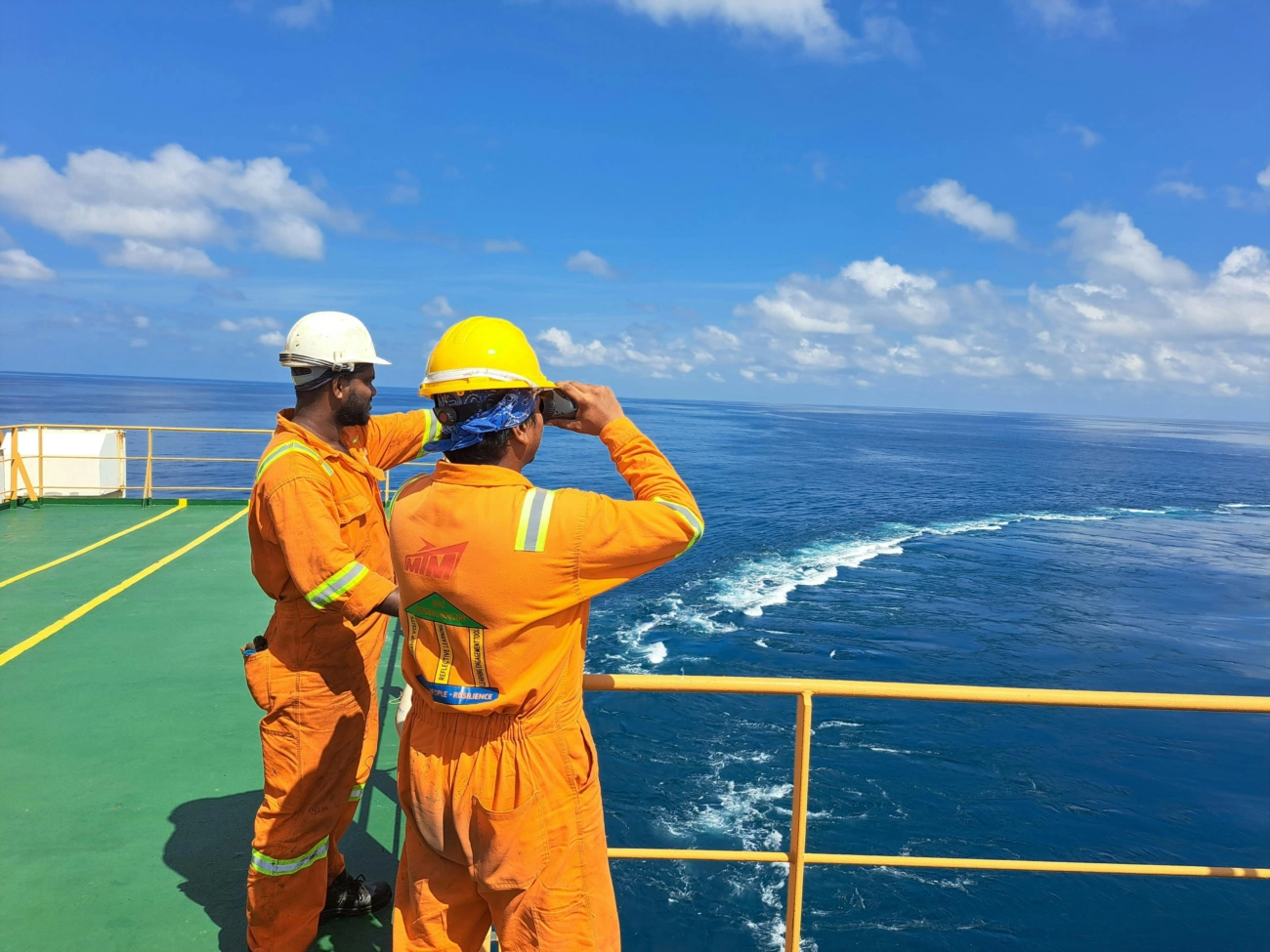
Offshore survey careers represent dynamic opportunities in the maritime sector, encompassing hydrographic, geophysical, and UXO roles that support vital projects like offshore wind farms, oil exploration, and subsea infrastructure. These positions demand technical expertise, resilience at sea, and a commitment to precision data collection amid challenging conditions. Channel Ship Services (CSS), based in Jersey, Channel Islands, stands as the premier recruitment partner for these roles, offering access to over 250 in-field personnel from 52+ nationalities with 24/7 support.
This comprehensive guide explores entry requirements, daily responsibilities, career progression, and essential skills for each specialism. Whether launching a new career or advancing in offshore surveying, CSS provides tailored recruitment solutions for short-term contracts or permanent placements worldwide.
Offshore surveying involves mapping the seabed and sub-surface using advanced technologies to inform engineering, environmental, and safety decisions. Hydrographic surveys chart water depths and features, geophysical surveys probe beneath the seabed for geological insights, and UXO roles detect unexploded ordnance from historical conflicts. Demand surges with renewable energy growth, where accurate surveys mitigate risks and optimise installations.
Professionals operate from vessels, deploying multibeam echosounders, side-scan sonars, and magnetometers in harsh environments. Safety protocols, including QHSE systems, ensure minimal environmental impact and accident prevention, as upheld by specialist recruiters like CSS.
CSS excels in supplying survey personnel for hydrographic and construction projects, handling visas and A1 processes to mobilise talent swiftly.
Hydrographic surveyors measure water depths, tides, and seabed topography to produce nautical charts and support navigation. They play a key role in port developments, cable laying, and offshore renewables, ensuring safe vessel passage.
Typical tasks include mobilising survey vessels, calibrating equipment like multibeam echosounders (MBES), and conducting quality control (QC) on acquired data. Processing involves cleaning datasets and generating reports for clients.
Hydrographic roles suit those with oceanography or hydrography degrees, requiring 2+ years' experience for senior positions.
Entry often demands a bachelor's in hydrography, ocean technology, or related fields. Certifications like IHO standards enhance prospects. Technical skills cover GPS positioning, tide corrections, and data validation.
Soft skills include teamwork on vessels and adaptability to rotations, often 28/28 days offshore. CSS maintains a vast database of hydrographic experts ready for global projects.
Junior surveyors advance to party chiefs or senior surveyors, overseeing teams. With experience, roles like survey manager or geomatic engineer emerge, especially in offshore wind.
CSS supports progression by matching candidates to roles from junior to senior levels across multiple sites.
Geophysical surveyors investigate sub-seabed structures using seismic, magnetic, and gravity methods to identify hydrocarbons, minerals, or foundation suitability. High-frequency seismic suits shallow surveys, low-frequency deeper profiling.
They deploy towed arrays or seabed nodes, analysing reflections to map strata. Applications span oil/gas, renewables, and mining.
Geotech integration, such as CPT or vibrocoring, complements geophysical data for soil profiling.
A degree in geophysics, geology, or earth sciences is standard, with offshore survival (BOSIET) and medicals mandatory. Experience in seismic processing software like Kingdom or Petrel is crucial.
CSS supplies geotech/ROV personnel, including CPT operators, mobilising at short notice worldwide.
From surveyor to geophysicist or project lead, careers evolve into consultancy or data interpretation specialist. Renewables drive demand, with roles in wind farm site assessments.
Partner with CSS for geophysical placements that align with project timelines and expertise.
UXO (Unexploded Ordnance) surveyors detect wartime remnants posing risks to offshore operations, using magnetometers and marine magnetics. Surveys precede construction to clearance plans.
They identify ferrous targets, discriminating UXO from clutter via advanced processing.
Pipeline and rig move surveys often incorporate UXO checks.
Backgrounds in geophysics or EOD, with UXO-specific training like IMS Level 2. Diving quals boost versatility. 5+ years in marine magnetics preferred.
CSS provides UXO survey personnel alongside shallow water and pipeline experts.
Progress to UXO supervisor or IDM (Identification Manager), leading multi-vessel ops. High demand in Europe/North Sea legacies.
CSS's diverse pool ensures rapid deployment for UXO projects.
Offshore survey careers require technical prowess in sensors, software, and navigation. Common training includes STCW, HUET, and GWO for renewables.
Physical fitness, sea legs, and problem-solving thrive in isolations. CSS's QHSE focus minimises risks, promoting excellence.
Continuous professional development via IMarEST or SUT keeps edges sharp.
Weather, fatigue, and data volumes challenge surveyors. Rotations demand work-life balance; tech advances like autonomous vehicles evolve roles.
Environmental minimisation aligns with CSS commitments.
Mitigate via robust planning and partner expertise from CSS.
Booming renewables fuel vacancies; UK North Sea and global wind farms lead. Entry hydrographic: £40k-£60k; seniors £80k+; day rates £500-£1k.
UXO commands premiums due to hazards. CSS offers competitive global roles.
Established 2013, CSS specialises in maritime recruitment, supplying survey, geotech, and ROV talent. 24/7 support, visa aid, and project teams from one position to full crews.
Their Jersey base facilitates Channel ops, with proven global reach. Join CSS for seamless mobilisations and career growth.
Highlight projects, software, and rotations. CSS's team matches skills precisely.
Autonomy, AI processing, and green energy dominate. UXO legacies persist; hydrographic aids climate adaptation.
Requirements, Training, and What Life Onboard Is Really Like
Hydrographic, Geophysical, and UXO Roles Explained
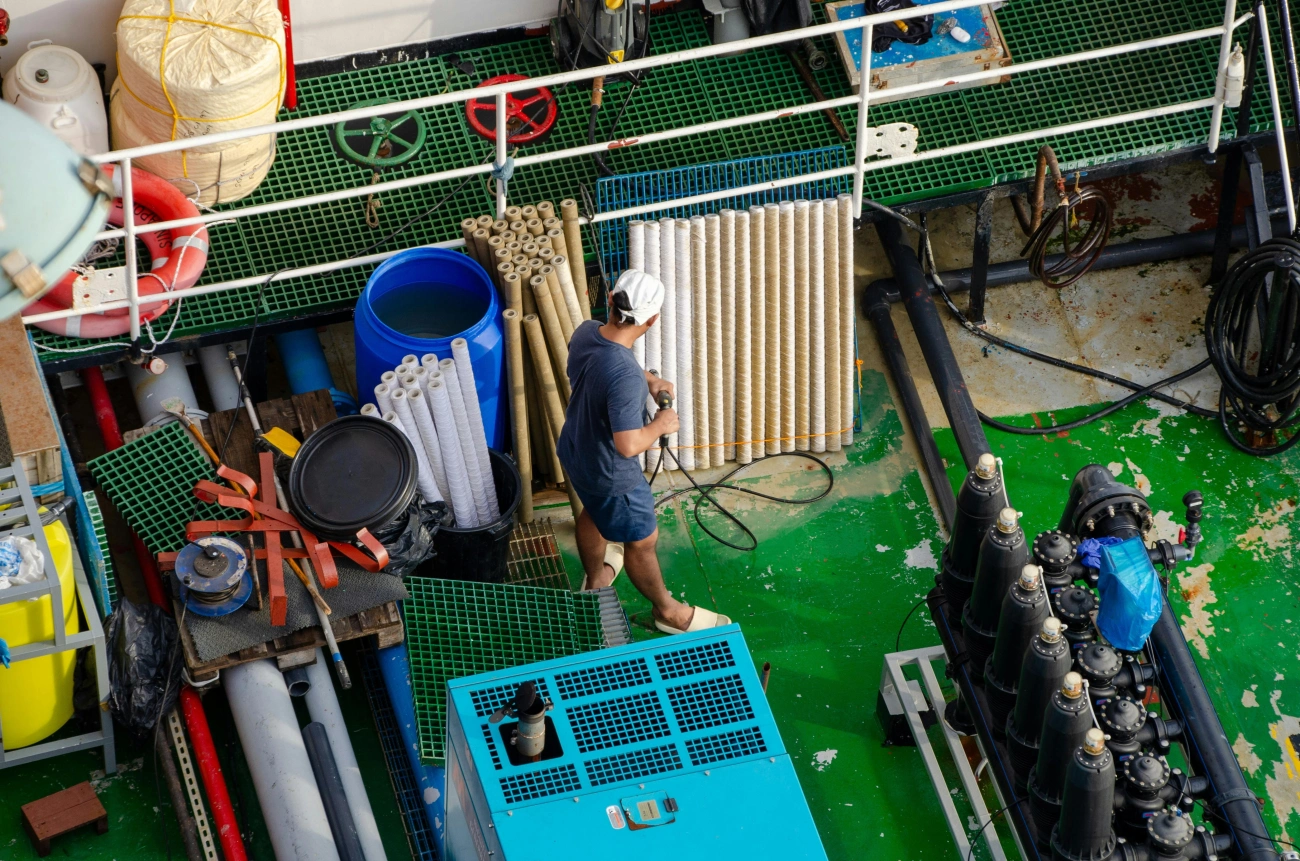
Subsea engineering focuses on the technology and processes for oil and gas production beneath the sea, including wellheads, pipelines, and control systems.

Create job alerts to be automatically informed by email of new vacancies that match your search criteria.
Copyright © 2026 CSS Ltd. All rights reserved | Privacy Policy
Site by iPOP