Careers
Maritime
How to Start a Career Offshore
Requirements, Training, and What Life Onboard Is Really Like

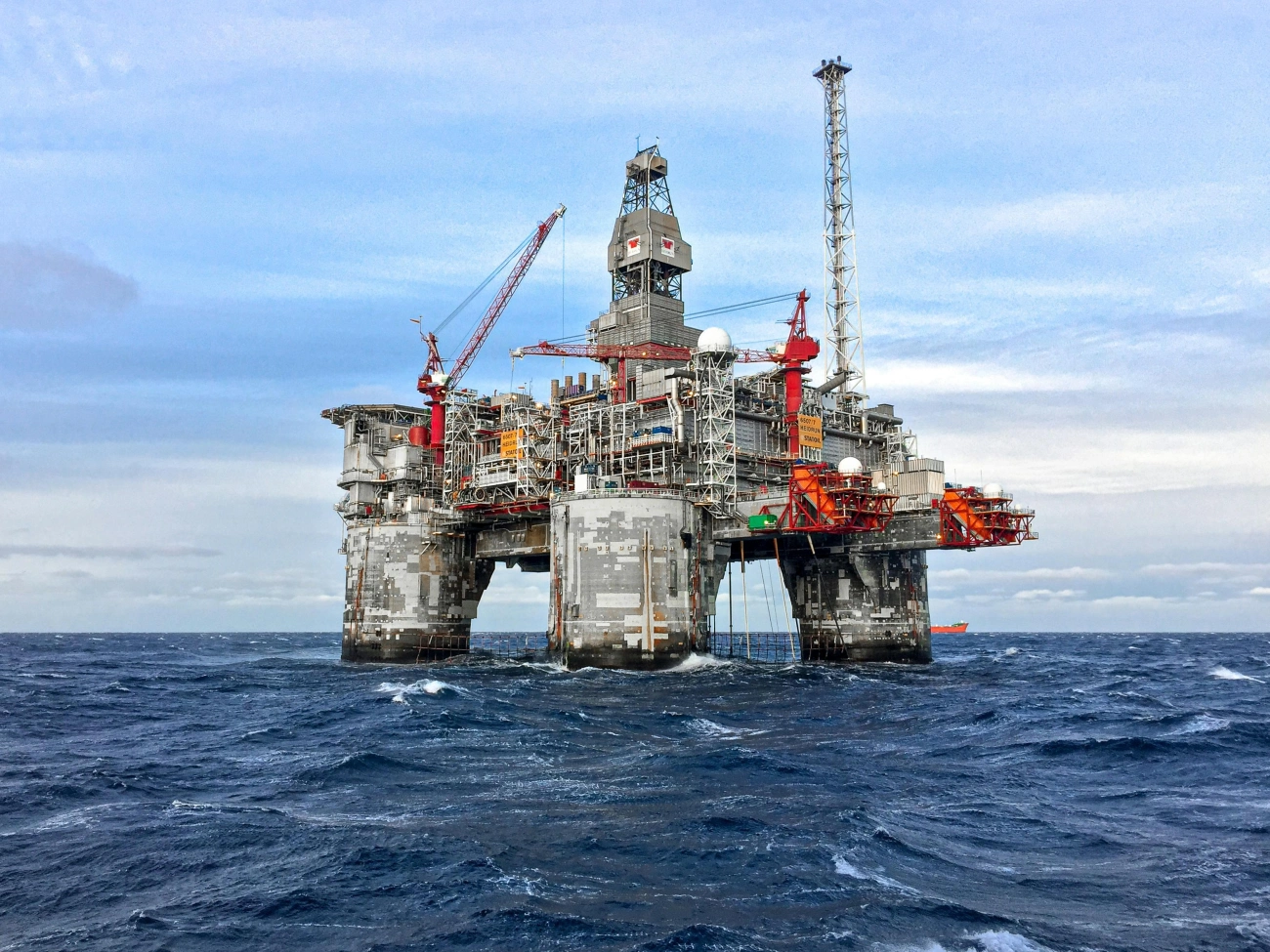
The offshore and marine sector in 2026 stands at a pivotal juncture, driven by the UK's push towards net-zero emissions, expansion in offshore wind, and persistent skills shortages across renewables and traditional energy. Roles in ROV (Remotely Operated Vehicles), survey, subsea engineering, and deck crew are evolving rapidly, with demand projected to surge due to workforce gaps estimated at 6-8% globally for skilled technicians by 2028. Emerging technologies like autonomous underwater vehicles (AUVs) and digital twins are reshaping job requirements, creating opportunities for those equipped with hybrid technical and digital skills.
This article explores the key roles, essential skills, and cutting-edge technologies defining offshore marine careers in 2026. From ROV pilot technicians navigating AI-enhanced systems to subsea engineers tackling deep-water renewables, the sector offers high-reward paths amid a forecasted maritime workforce transformation.
The UK offshore energy workforce faces both challenges and growth. Jobs in offshore renewables rose from 34,000 in 2023 to nearly 39,000 in 2024, with projections reaching 84,000 to 153,000 by 2035 under optimistic scenarios. Oil and gas employment may decline to 57,000-71,000 by the early 2030s, necessitating transitions to wind and hydrogen projects.
Persistent shortages plague the sector, with a potential serious deficit of officers by 2026 due to high mobility and retirements. Offshore wind alone could support nearly 70,000 jobs by 2026, emphasising UK content in projects at 40% for capital expenditure. Decarbonisation regulations and digitalisation amplify demand for specialised talent in subsea and marine operations.
Policy support, including national training strategies, aims to bridge gaps by upskilling from carbon-intensive industries. Scotland's offshore workforce, currently around 75,000, risks dropping without sustained oil and gas alongside renewables.
ROV operators and pilot technicians remain core to offshore inspections, with roles expanding into renewables like wind farm maintenance. In 2026, ROV pilot technicians handle electrical installations, hydraulics, and high-voltage systems in hazardous conditions, requiring HND or degrees in mechanical, electrical, or electronics engineering.
Key skills include analytical problem-solving, hand-eye coordination, and IMCA-compliant competencies for piloting, maintenance, and emergency procedures. Training via 7-week premium courses covers SVQs, simulators, and real ROV systems, aligning with IMCA guidelines.
Future ROV jobs integrate robotics for deep-sea tasks, reducing diver risks in offshore wind and exploration. Maritime robotics specialists will manage AI-driven systems, with demand rising as automation expands.
Marine surveyors and offshore survey engineers assess hulls, cargo, and subsea structures, vital for compliance and safety. In 2026, roles demand expertise in SOLAS, MARPOL, and drone-assisted surveys for faster, safer inspections.
Education starts with bachelor's in marine engineering or naval architecture, plus NAMS/SAMS certifications. Technical skills cover propulsion inspections, cargo loss prevention, and maritime regulations. Offshore survey engineers need electrical/electronics qualifications, survival accreditation, and BOSIET.
Drone-assisted marine surveyors emerge as standard, using aerial/underwater drones for offshore assessments. Demand grows with offshore patrol vessels and wind projects.
Subsea engineers support drillships and semi-submersibles, focusing on systems for IRM (Inspection, Repair, Maintenance) and decommissioning. Entry requires 3-5+ years experience; senior roles demand global mobilisation readiness.
At firms like Subsea 7, positions include pipeline engineers, ROV technicians, and HSE officers, needing engineering diplomas and offshore medicals. Skills encompass welding, rigging, and technical software proficiency.
Digital twins enable real-time replicas for fuel optimisation and simulations, creating digital twin maritime engineers. Hydrogen fuel engineers maintain clean systems amid decarbonisation.
Prospects brighten with AUV integration for surveillance and infrastructure checks.
Subsea Role
Experience Level
Core Technologies
Growth Factor
Subsea Engineer
3+ years
Hydraulics, ROV interfaces
Renewables transition
Pipeline Engineer
Degree + certs
Pipeline welding, digital twins
Decommissioning boom
HSE Officer
Offshore clearance
Compliance tools, AI security
Regulation tightening
Deck crew, including able seafarers and riggers, handle operations on offshore vessels, requiring BOSIET for safety induction. Certifications cover emergency training, CA-EBS, and OGUK medicals.
In 2026, roles evolve with IoT for engine monitoring and remote operations. Deck cadets and boys support Mystic Cruises or Royal Caribbean, building to surveyor paths.
Autonomous vessel technicians maintain AI systems, reducing onboard needs. Fuel efficiency analysts optimise voyages amid rising costs.
Autonomous Underwater Vehicles (AUVs) lead 2026 innovations, with large models (>1,000m) growing fastest for deep energy tasks. AI-driven AUVs like Beam's Scout enhance inspections via 3D reconstructions.
Digitalisation brings IoT, blockchain for supply chains, and cybersecurity against threats. Multi-hull AUVs offer stability for wide-area surveys.
Digital twins predict maintenance, while decarbonisation tools like hydrogen systems demand new specialists. Expect AI fleet managers and ESG compliance roles.
Hybrid skills dominate: technical (hydraulics, navigation) plus digital (AI, data analytics). Soft skills like communication and adaptability counter shortages.
Certifications: IMCA ROV, BOSIET, OPITO. Upskilling via online platforms targets wind transitions.
Demand peaks for cybersecurity, decarbonisation officers in offshore marine.
Start with Underwater Centre's ROV courses or Subsea 7 internships. IMCA-certified programmes build piloting via simulators.
Government-funded wind training bridges oil-to-renewables. Entry-level: deck boy to technician via hands-on rotations.
Skills shortages risk project delays, but create premium pay. Women and diverse talent pipelines grow via targeted programmes.
Opportunities abound in UK's 40GW wind ambition.
Entry-level positions form the foundation of deck crew progression, where newcomers gain hands-on experience in vessel maintenance and operations. Ordinary Seaman (OS) or Deckhand roles involve cleaning decks, handling mooring lines, painting, and assisting with cargo operations under senior crew supervision. These positions typically require minimal qualifications, such as basic STCW certificates including Personal Survival Techniques and Fire Prevention, making them accessible for school leavers or career changers entering the maritime sector.
Progression begins after 6-12 months of sea time, building skills in watchkeeping and navigation basics. In superyachting, Deckhand roles emphasise polished service alongside technical duties, recommending 6 months' experience before advancing. Employers value reliability and teamwork here, as these traits underpin safe vessel operations and pave the way for Able Seaman status.
Certifications drive deck crew progression, with STCW standards mandating training for safety and competency. Essential entry-level courses include Proficiency in Survival Craft, Efficient Deck Hand (EDH), and basic medical care, often completed onshore before joining a vessel. For UK seafarers, MCA-approved courses like Yacht Training Record Book completion after 36 months' service unlock further steps.
Advancing to Able Seaman (AB) requires 18-24 months' sea time plus watch rating certificates, focusing on steering and lookout duties. These qualifications ensure compliance with international manning rules, reducing accident risks and enabling unsupervised deck work. Regular refresher training maintains validity, supporting seamless career movement across global fleets
Able Seaman represents a pivotal step in deck crew progression, shifting from assistant to skilled rating with expanded responsibilities. ABs manage anchor operations, pilotage support, and maintenance of life-saving appliances, requiring proven competence via oral exams and sea service logs. This role demands leadership in small teams during mooring or cargo securing, honing skills vital for officer aspirations.
In merchant fleets, ABs log 12-18 months' watchkeeping time towards Officer of the Watch (OOW) eligibility, while superyacht ABs prioritise guest areas alongside technical prowess. Salaries rise notably here, reflecting increased accountability for vessel safety and efficiency. Networking with officers during this phase aids mentorship, accelerating progression timelines.
Becoming a Deck Officer, starting as Third Officer, involves formal education or cadetships alongside rating experience. Traditional routes via maritime academies yield BSc in Nautical Science, incorporating 12 months' sea time for OOW certification. Rating-to-officer upgrades suit experienced ABs, compressing timelines to 1-2 years through competency exams.
Third Officers handle bridge watches, chart corrections, and safety drills, progressing to Second Officer with stability calculations and GMDSS radio duties. Chief Officer roles oversee deck departments, cargo planning, and emergency response, demanding 36 months' OOW service. Cadetships with companies like Maersk provide sponsored training, blending theory and practice for rapid advancement.
Sea time accumulation is central to deck crew progression, with specific hours mandating advancement under IMO guidelines. Entry to OOW needs 36 months' service including 6 months' bridge watch as AB, verified via discharge books. Superyacht paths require 365 watch days plus yacht-specific logs for EDH.
Accurate logging prevents delays; digital apps now track hours compliantly. Offshore sectors offer accelerated time due to harsh conditions, but merchant deep-sea voyages provide broadest officer exposure. Holidays ashore count minimally, so rotational contracts optimise progression speed.
Core courses propel deck crew from ratings to officers, with MCA orfals for UK waters. OOW (Unlimited) demands NAEST(O), ECDIS, and management-level HELM, plus STCW Advanced Fire Fighting. Oral exams test navigation, collision regulations, and meteorology, pass rates improving with simulator practice.
Chief Mate certification adds cargo handling and stability modules, culminating in Master exams after command experience. Costs range £5,000-£15,000 per level, often employer-sponsored via cadetships. Online refreshers ensure ongoing compliance amid regulatory updates.
Progression hurdles include irregular contracts disrupting family life and high exam failure risks from fatigue. Competition intensifies for officer berths on quality vessels, favouring multilingual, tech-savvy candidates. Medical fitness lapses halt advances, mandating biennial ENG1 checks.
Superyacht progression demands soft skills like hospitality, contrasting merchant technical focus. Economic downturns shrink entry jobs, but green shipping booms create niches. Resilience and upskilling mitigate these, with networks via unions like Nautilus aiding placements.
Merchant Navy offers linear progression to Captain on tankers or containers, with global rotations. Superyachts provide high earnings but seasonal instability, ideal for EDH to OOW leaps. Offshore wind farms seek ex-merchant officers for turbine vessels, blending deck skills with renewables.
Ferry operations suit family-oriented paths with shore time, while cruise lines value passenger-facing officers. International flags like Panama ease entry but demand flag-state exams. Diversification prevents stagnation, with shore roles in port management as backups.
Entry Deckhand earns £1,500-£2,000 monthly tax-free, rising to £3,000+ as AB. Third Officers command £4,500-£6,000, Chief Officers £8,000-£12,000, and Captains £10,000-£20,000 based on vessel size. Superyacht tips boost incomes 20-50%.
Savings thrive on rotations, funding courses or property. Pensions via ISF build long-term security. Progression planning targets tax-efficient flags for maximised earnings.
Maritime life involves 4-6 month contracts, demanding fitness for heavy lifts and watches. Mental health support via apps and welfare officers counters isolation. Family strategies like schooling abroad sustain motivation during progression.
Diversity grows, with women officers rising via targeted cadetships. Work-life balance improves post-officer, with senior roles offering more shore command.
Decarbonisation drives demand for hybrid vessel officers skilled in battery ops. Autonomy tech shifts juniors to data monitoring, elevating seniors. UK Maritime 2050 targets 50,000 jobs, favouring certified progressors.
Digital twins and VR training shorten paths, while ESG compliance mandates green certs. Global shortages accelerate rating-to-officer pipelines.
Technical mastery in ECDIS and ARPA radar underpins officer success. Leadership via HELM courses fosters command presence. Bilingualism and CRM training edge candidates in multicultural crews.
Soft skills like conflict resolution shine in interviews. Continuous CPD logs impress recruiters.
For more insights on maritime technology innovations, visit CSS Ship Services.
Key Responsibilities
Requirements, Training, and What Life Onboard Is Really Like
Hydrographic, Geophysical, and UXO Roles Explained
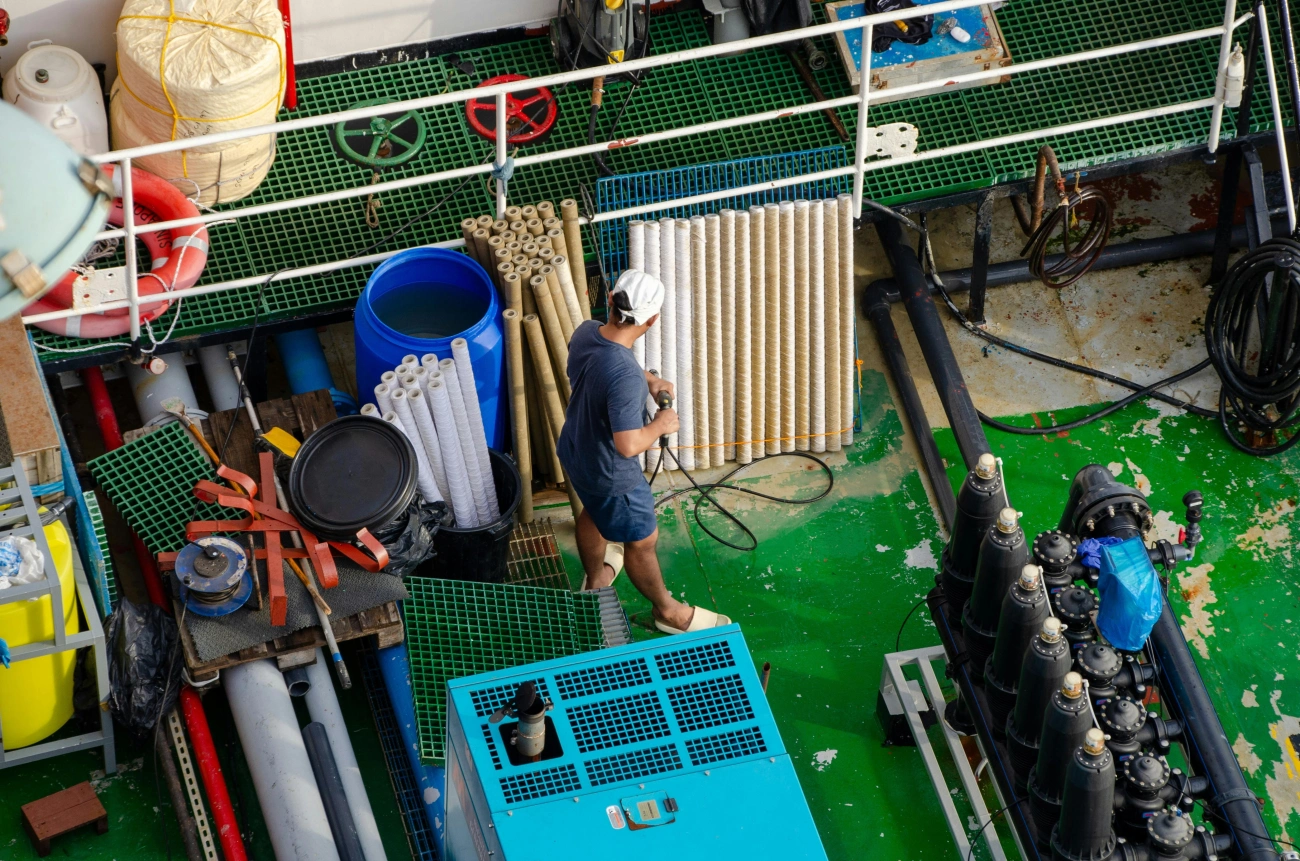
Subsea engineering focuses on the technology and processes for oil and gas production beneath the sea, including wellheads, pipelines, and control systems.

Create job alerts to be automatically informed by email of new vacancies that match your search criteria.
Copyright © 2026 CSS Ltd. All rights reserved | Privacy Policy
Site by iPOP