Careers
Maritime
How to Start a Career Offshore
Requirements, Training, and What Life Onboard Is Really Like

Starting a career offshore offers high earnings, adventure, and unique challenges in industries like oil and gas, wind farms, and marine services. Entry typically demands physical fitness, key certifications such as BOSIET, and an offshore medical certificate, with no prior experience needed for roles like roustabouts. This comprehensive guide covers every step from requirements to daily life onboard, optimised for those searching "how to start offshore career UK" or "offshore jobs no experience".
Physical fitness stands as the cornerstone for offshore roles, given the demanding nature of tasks like equipment handling in harsh conditions. Candidates must demonstrate strength, agility, and endurance, often passing fitness assessments during medical checks. Adaptability to isolation and teamwork skills prove vital, as crews live and work in close quarters.
Educational baselines vary by role; entry-level positions require GCSEs including English and maths, while technical jobs benefit from engineering or science degrees. Visa requirements apply for international waters, alongside drug tests and background checks. Age limits hover around 18-55, with no upper cap for fit applicants.
Medical fitness demands an Offshore Medical Certificate (ENG1 or equivalent), valid for two years, confirming suitability for sea duty. This includes vision, hearing, and cardiovascular tests. Basic mechanical knowledge in welding or plumbing enhances prospects for roustabouts or motorhands.
BOSIET (Basic Offshore Safety Induction and Emergency Training) forms the mandatory starting point, covering sea survival, firefighting, and helicopter escape (HUET) over four days. Valid for four years, it costs around £1,000-£1,500 in the UK; some employers reimburse it. FOET renews this training thereafter.
MIST (Minimum Industry Safety Training) online module addresses hazard awareness, essential for UK North Sea operations. First aid, CPR, and firefighting certificates add value, often bundled in packages. For diving or advanced roles, years of experience precede specialist quals.
Training providers like those in Glasgow deliver OPITO-approved courses, blending classroom and practical drills. Apprenticeships via National Careers Service offer paid entry, combining GCSE-level quals with on-rig experience. Seek programmes for deck cadets or trainees to build credentials fast.
Roustabouts handle labour like cargo and maintenance, ideal for newcomers with no experience. Salaries start at £30,000-£50,000 annually, rotating 2-4 weeks on/off. Deck cadets assist operations, motorhands support engines—both ladder to skilled trades.
Catering and hospitality roles suit non-technical starters, managing meals in accommodations. Safety officers enforce regulations, needing compliance knowledge. Progression sees roustabouts become roughnecks, then drillers, with engineers requiring degrees.
Networking via LinkedIn, job boards, and events unlocks vacancies; flexibility on vessel types boosts chances. Contracts via agencies like CSS Ship Services provide stability without direct competition
https://www.css-shipservices.com/
This process takes 1-3 months; persistence pays with high demand in renewables.
BOSIET averages £1,200, MIST £100, medical £100-£200. Bundles save 20-30%. UK apprenticeships fund via government, paying while training.
Reputable centres in Aberdeen, Glasgow ensure OPITO approval. Employer-sponsored paths common post-offer. Budget £2,000 initially, recouped in first paycheque.
Shifts run 12 hours, 2-4 weeks on/off, fostering intense camaraderie. Meals feature three squares daily—catering excels with fresh food despite isolation. Gyms, Wi-Fi (limited), and rec rooms combat downtime; sleep in shared cabins.
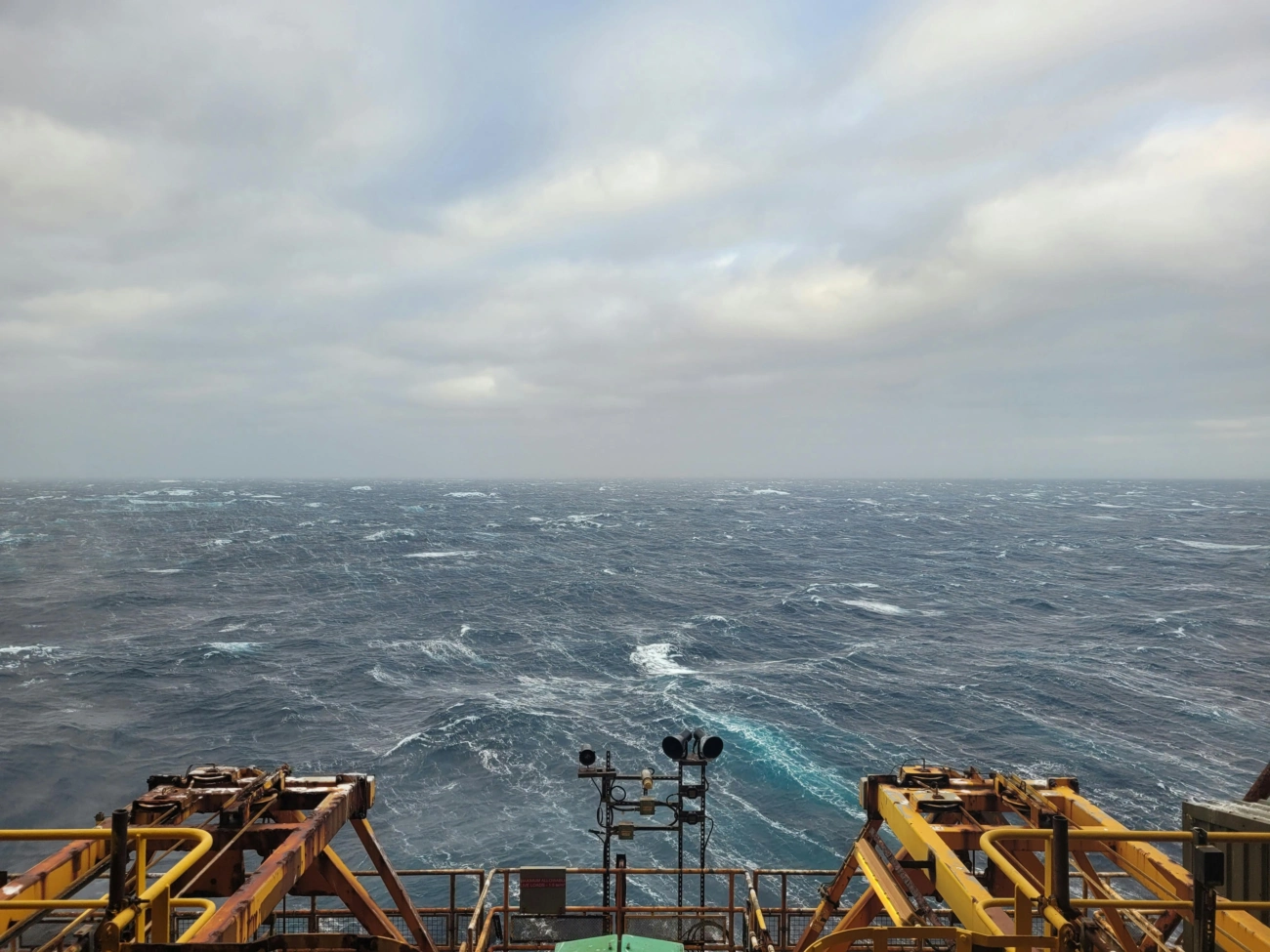
Harsh weather tests resilience—North Sea gales, platform sway—but safety tech like lifeboats mitigates risks. Mental health support grows, with rotations preventing burnout. Earnings offset sacrifices: £50k+ tax-free for juniors.
Isolation hits hardest; prep with family calls via satellite. Physical toll demands conditioning—lift weights pre-start. Drug policies strict: zero tolerance, random tests.
Seasickness fades after trips; HUET builds confidence. Women thrive, comprising 10-20% in modern crews.
Entry roustabouts earn £35,000-£45,000, drillers £60,000+. Rotations: 2/2 or 3/3 weeks common, flights/hotels covered. Overtime, bonuses inflate take-home 20-50%.
Tax relief via seafarers' allowance saves thousands yearly. Savings potential high sans daily spends.
Wind farms boom, needing similar quals for turbine techs. Marine biologists monitor impacts. Transition from oil demands upskilling—certificates transfer seamlessly.
UK targets net-zero, creating 100,000+ jobs by 2030.
Zero-harm culture prevails: daily toolbox talks, drills. Medical bays staffed 24/7. Mental health lines, peer support standard.
Barriers fade; training inclusive, roles equal-pay. Networks like Women in Energy aid entry.
Gulf, Australia pay premiums but visa hurdles higher. UK quals global-standard.
No experience needed? Yes, for entry roles.
BOSIET cost? £1,000+.
Rotation typical? 2 weeks on/off.
Age limit? 18+, fit seniors welcome.
Requirements, Training, and What Life Onboard Is Really Like
Hydrographic, Geophysical, and UXO Roles Explained
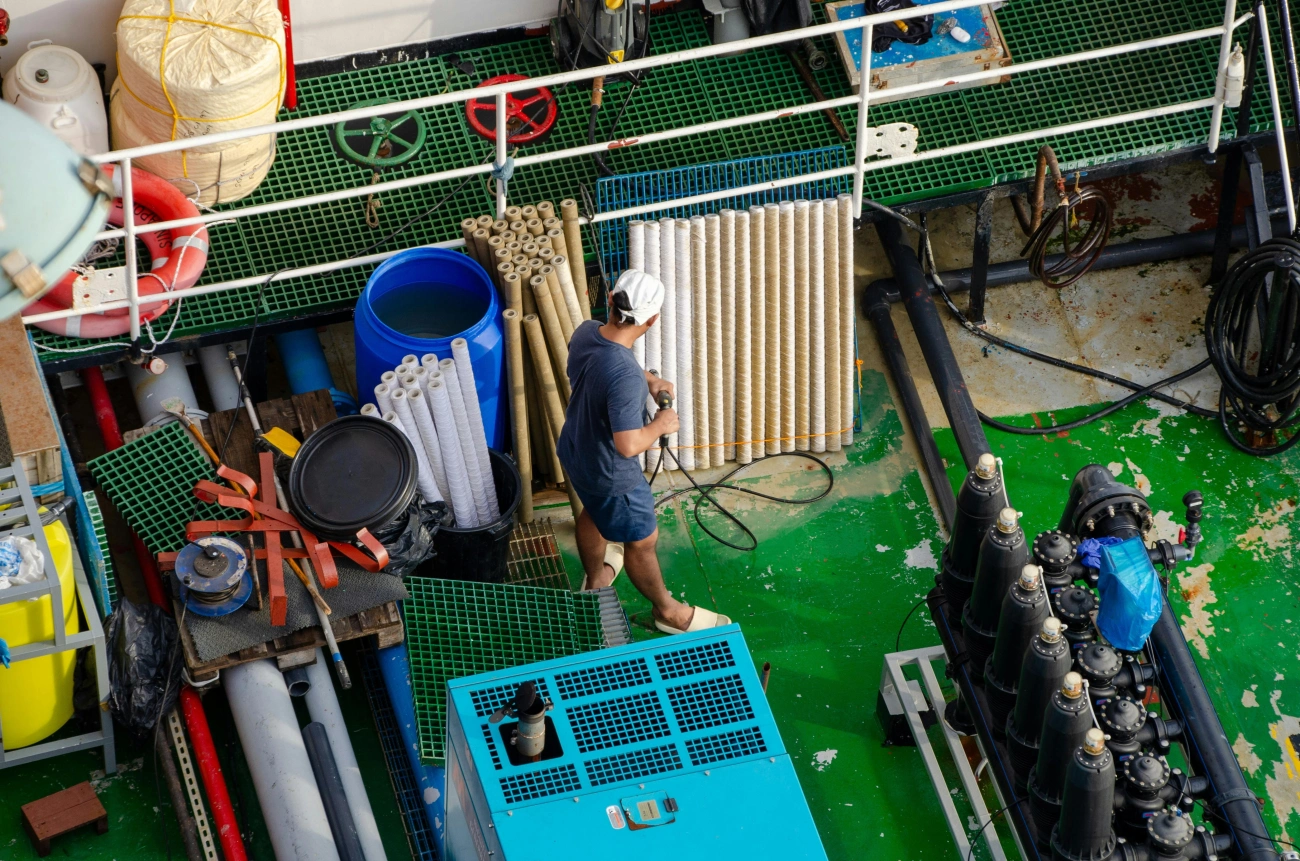
Subsea engineering focuses on the technology and processes for oil and gas production beneath the sea, including wellheads, pipelines, and control systems.

Create job alerts to be automatically informed by email of new vacancies that match your search criteria.
Copyright © 2026 CSS Ltd. All rights reserved | Privacy Policy
Site by iPOP