Careers
Maritime
How to Start a Career Offshore
Requirements, Training, and What Life Onboard Is Really Like

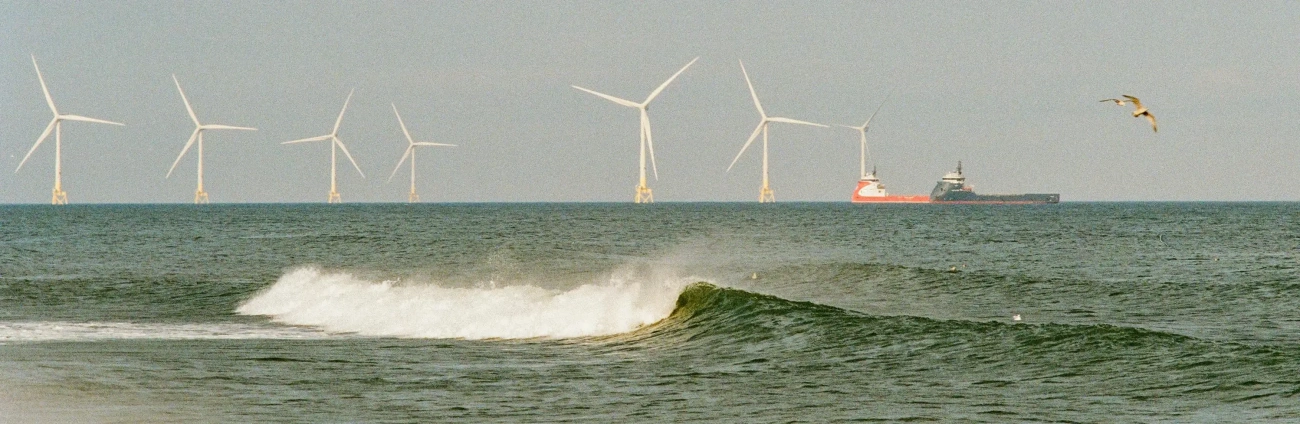
The offshore wind sector is witnessing an extraordinary surge in investment and development, marking it as a cornerstone of the global clean energy transition. As nations intensify their commitments to renewable energy, offshore wind farms represent a pivotal solution to meet escalating energy needs sustainably. However, this growth hinges not merely on turbine technology but crucially on the maritime support and service infrastructure that underpins the installation, maintenance, and logistics of these complex projects. This article explores the rapid global expansion of offshore wind farms and the indispensable maritime services driving their success.
Offshore wind investment has reached unprecedented heights, with $76.7 billion invested globally in 2023 alone—a 79% increase over the previous year. The momentum continued into 2025, with the first half of the year seeing $39 billion channelled into offshore wind projects worldwide, already exceeding the total investment for all of 2024. This surge highlights both the growing prioritisation of offshore wind in national and corporate energy strategies and the escalating scale of projects underway.
China dominates the market, accounting for nearly 50% of global offshore wind capacity, propelled by aggressive policy support and domestic manufacturing scale. The United Kingdom stands as the second-largest market with 15.9 GW operational and ambitious targets to reach 50 GW by 2030. However, despite this ambition, the UK faces challenges receiving fresh investment due to rising project costs and regulatory constraints, resulting in some project delays and cancelled development plans. Beyond China and the UK, Germany, the Netherlands, and Taiwan are notable contributors, collectively driving 94% of new installations in 2024.
The sustained growth in offshore wind highlights critical factors such as supply chain robustness, policy clarity, and investment frameworks that shape where capital flows. Markets offering predictable returns and cohesive infrastructure will continue to attract private and public investment, reinforcing offshore wind's role in a sustainable energy future.
The sheer scale and complexity of offshore wind projects demand specialised maritime support services. From the initial stages of foundation installation to the ongoing turbine maintenance, maritime assets and expertise facilitate these operations in often challenging marine environments.
Transporting colossal components—monopiles, foundations, towers, and rotor blades weighing several hundred tonnes—requires dedicated heavy-lift vessels equipped with advanced cranes and stabilisation technologies. These vessels navigate significant distances from fabrication yards to installation sites, relying on coordinated port logistics and supply chain management to minimize delays and cost overruns. Collaborative efforts between component manufacturers, logistics providers, ports, and installation contractors underpin project efficiency and safety.
Beyond transportation, foundation installation relies on support vessels capable of handling subsea operations and precise positioning in variable sea conditions. The maritime sector's integration with offshore wind has spurred innovation in vessel design tailored to the unique demands of this industry, including enhanced dynamic positioning systems and energy-efficient propulsion technologies.
Offshore wind farms require robust operational support to maintain peak performance and extend asset life. Regular maintenance trips are mandatory to service turbines, replace components, and conduct inspections. Due to the remote locations of many wind farms, specialised service operation vessels (SOVs) enable the safe transfer of technicians and equipment, often accommodating staff onboard for extended periods to minimise transit time and optimise work schedules.
The maintenance window traditionally concentrates on favourable weather conditions in summer months; however, advancements in vessel technology and remote inspection tools now extend operational capability into harsher winter conditions. This continuous maintenance approach reduces downtime and enhances energy output reliability.
Supply chain logistics underpinning maintenance include timely delivery of spare parts, fuel, and waste management, all requiring vessels designed for multifaceted support roles. These supply chains must address the difficulties of open-sea navigation, ensuring safety, environmental compliance, and operational efficiency.
Onboard hospitality is another crucial factor. Providing comfortable accommodations, recreational areas, and balanced work-rest schedules helps maintain technician well-being and performance during often demanding offshore deployments.
Enhancing logistics efficiency is vital as offshore wind farms grow larger and move into deeper waters. Innovations in project planning, digital supply chain management, and modular construction methods improve coordination among stakeholders, reducing costs and environmental impacts.
Companies specialising in offshore logistics focus on flexibility and resilience—key to navigating variable weather, technical challenges, and supply disruptions. Multi-purpose vessels that combine transportation, accommodation, and maintenance support are increasingly common, reflecting the sector’s push towards integrated solutions.
Looking forward, maritime support services will remain indispensable as offshore wind capacity aims to exceed 100 GW globally by the end of 2025. The evolution of floating wind technologies and deployments in new regions will further drive demand for advanced marine expertise and tailored support vessels, positioning maritime services at the heart of the offshore wind revolution.
The rise of offshore wind farms represents a transformative chapter in the global renewable energy landscape, delivering substantial environmental and economic benefits. Integral to this rise is the maritime support ecosystem—providing specialised vessels, logistics management, and maintenance services essential for project success from installation through long-term operation. As offshore wind capacity expands rapidly, continued innovation and investment in maritime services will be crucial to unlocking the sector’s full potential and achieving net-zero energy ambitions.
For expert maritime support services tailored to offshore wind projects, visit CSS Ship Services.
Requirements, Training, and What Life Onboard Is Really Like
Hydrographic, Geophysical, and UXO Roles Explained
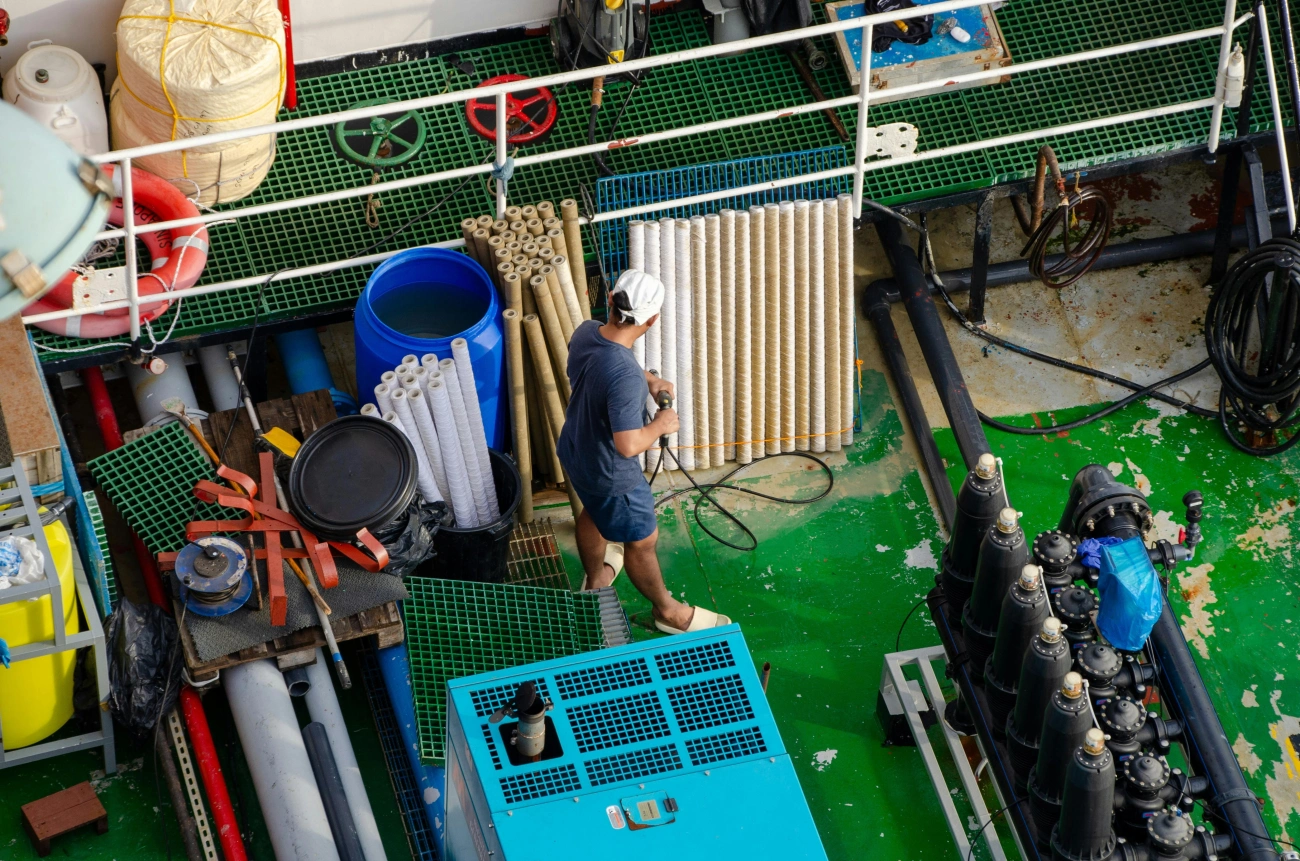
Subsea engineering focuses on the technology and processes for oil and gas production beneath the sea, including wellheads, pipelines, and control systems.

Create job alerts to be automatically informed by email of new vacancies that match your search criteria.
Copyright © 2026 CSS Ltd. All rights reserved | Privacy Policy
Site by iPOP