Careers
Maritime
How to Start a Career Offshore
Requirements, Training, and What Life Onboard Is Really Like

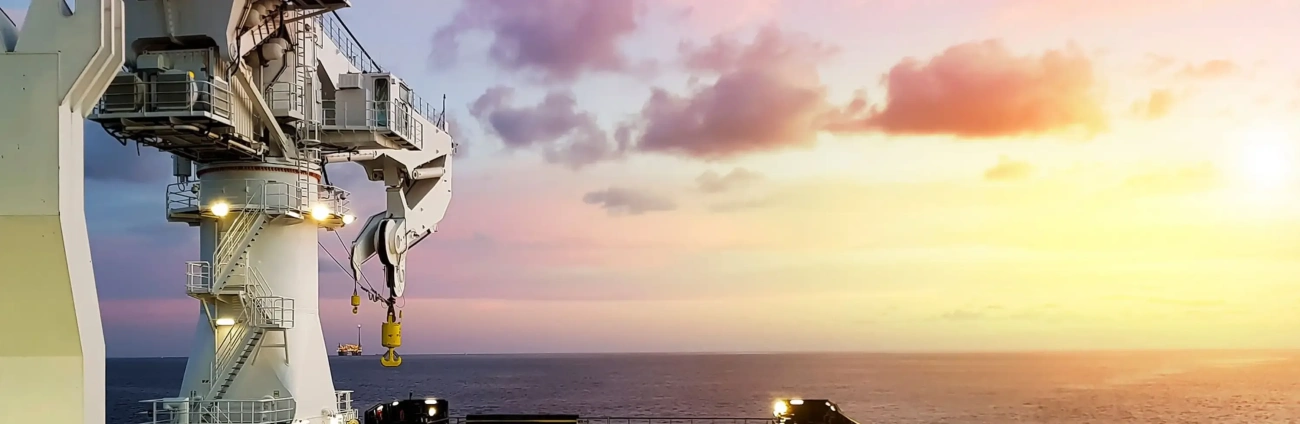
Remotely Operated Vehicles (ROVs) have become indispensable in the maritime industry, redefining underwater operations through safer, more efficient, and highly innovative applications. In 2025, the maritime sector is witnessing a renaissance in underwater technology, with ROVs playing a pivotal role across inspections, environmental monitoring, pipeline and cable maintenance, offshore renewable energy, and more. This article explores the top 10 innovative uses of ROVs that are revolutionising maritime operations today, bringing state-of-the-art solutions for complex underwater challenges.
ROVs are transforming underwater vessel inspections by delivering rapid, comprehensive, and safer alternatives to traditional diver-based approaches. Equipped with high-definition cameras and sophisticated sensor arrays, ROVs inspect hulls, propellers, and critical underwater components in real-time. These inspections detect corrosion, biofouling, marine growth, and structural damage with pinpoint accuracy, allowing operators to schedule maintenance efficiently and reduce costly drydocking periods.
For example, organisations like Marlow Offshore utilise ROV technology to inspect vessels swiftly without the need for specialised diving teams, enhancing safety and significantly lowering operational costs. The ability to deploy ROVs quickly and receive real-time data from hard-to-reach or hazardous areas underpins a modern approach to fleet maintenance, supporting faster decision-making and reducing downtime.
ROVs are at the forefront of environmental stewardship in maritime operations. Their ability to carry sophisticated environmental sensors enables precise monitoring of underwater ecosystems, water quality, and biodiversity indicators. They help track pollution levels, assess the impact of maritime activities, and contribute to conservation initiatives by collecting and analysing marine data.
Top offshore ROV companies integrate environmental monitoring tools into their vehicles to conduct routine checks around offshore platforms and subsea installations. This not only supports compliance with ever-stricter environmental regulations but also aids in maintaining sustainable marine practices essential to the UK and global maritime sectors.
Maintaining the integrity of subsea pipelines is crucial for the oil and gas sector and increasingly for water treatment and renewable energy industries. ROVs conduct regular inspections using sonar, magnetometers, and leak detection technologies to identify corrosion, cracks, or operational faults. Furthermore, some ROVs are equipped to perform minor repairs underwater, such as applying clamps or sealants to leaks, preventing environmental damage and costly shutdowns.
The integration of dual-manipulator arms and advanced tools allows ROVs to execute complex tasks like bolt-tightening and conduit inspections autonomously, increasing the efficiency and safety of subsea infrastructure operations.
The surge in offshore wind, tidal, and floating solar energy projects depends heavily on underwater inspection and maintenance technologies. ROVs are instrumental in inspecting and servicing underwater parts of renewable energy infrastructure, such as turbine foundations and cable connections.
Their role ensures the longevity and efficiency of these sustainable energy assets while reducing the need for risky human interventions in harsh offshore environments. Innovative sensor packages and autonomous capabilities allow ROVs to monitor wear and biofouling on turbine bases, contributing directly to the UK’s green energy ambitions.
Underwater communication and power cables are vital to global infrastructure, and their maintenance requires precision and reliability. ROVs conduct critical inspections to detect faults and deploy repairs with high accuracy.
Modern ROVs are capable of identifying cable faults, digging trenches to expose cables, and assisting in splicing operations, dramatically reducing the time and risk associated with subsea cable maintenance. Their remote capabilities eliminate the need for extensive dives, enhancing operational safety.
ROVs are increasingly vital for search and recovery missions, especially in deepwater or hazardous conditions unsuitable for human divers. Their sensors and real-time video feeds help locate lost equipment, wreckage, or environmental hazards on the seabed.
The ability to maneuver precisely and operate at profound depths makes ROVs a preferred tool for maritime search and rescue teams, commercial salvage operations, and archaeological underwater exploration.
Maintaining propellers and hulls free of marine growth is crucial to vessel performance and fuel efficiency. ROVs facilitate early detection of biofouling and enable non-invasive cleaning operations, usually done during short port calls. This approach prevents degradation and maintains vessel speed without extensive downtime.
ROVs equipped with cleaning tools or debris removal systems can perform these tasks while continuously transmitting inspection data, reducing labour and avoiding the environmental impacts of drydocking.
Notably, ROVs are now used beyond their operational roles in training and simulation. Maritime crews engage with ROV systems to simulate emergencies such as hull breaches or entanglements, gaining hands-on experience in a controlled environment.
This method improves readiness and response times in critical situations, ensuring that crews are familiar with ROV operations before deploying them in real-life hazardous scenarios.
The future of underwater operations is increasingly autonomous. ROVs powered by Artificial Intelligence (AI) and machine learning algorithms can perform inspections, detect anomalies, and even predict maintenance needs independently.
This evolution reduces human operator workload and enhances operational efficiency, particularly for large-scale seabed mapping or repetitive inspection tasks. AI-enabled anomaly detection, such as sonar-based structural defect identification with over 90% accuracy, is already speeding up offshore wind farm surveys.
ROVs serve maritime security and surveillance roles by monitoring underwater infrastructure for threats like sabotage, illegal interference, or environmental hazards such as oil spills. High-resolution cameras along with sensor arrays detect and assess suspicious activity in ports and offshore installations.
Their rapid deployment capabilities and real-time data transmission make ROVs pivotal partners in safeguarding critical maritime assets.
ROVs are undeniably reshaping the maritime industry in 2025 by enabling safer, more precise, and efficient underwater operations. From inspections and environmental monitoring to renewable energy support and security, these versatile vehicles are essential for modern maritime companies seeking to optimise costs, improve safety, and comply with environmental standards.
The continuous integration of AI, autonomy, and advanced sensors promises even greater innovation, pushing the boundaries of what ROVs can achieve beneath the waves. For businesses in the maritime sector, investing in ROV technology is no longer optional but a strategic imperative for future success.
For more insights on maritime technology innovations, visit CSS Ship Services.
Requirements, Training, and What Life Onboard Is Really Like
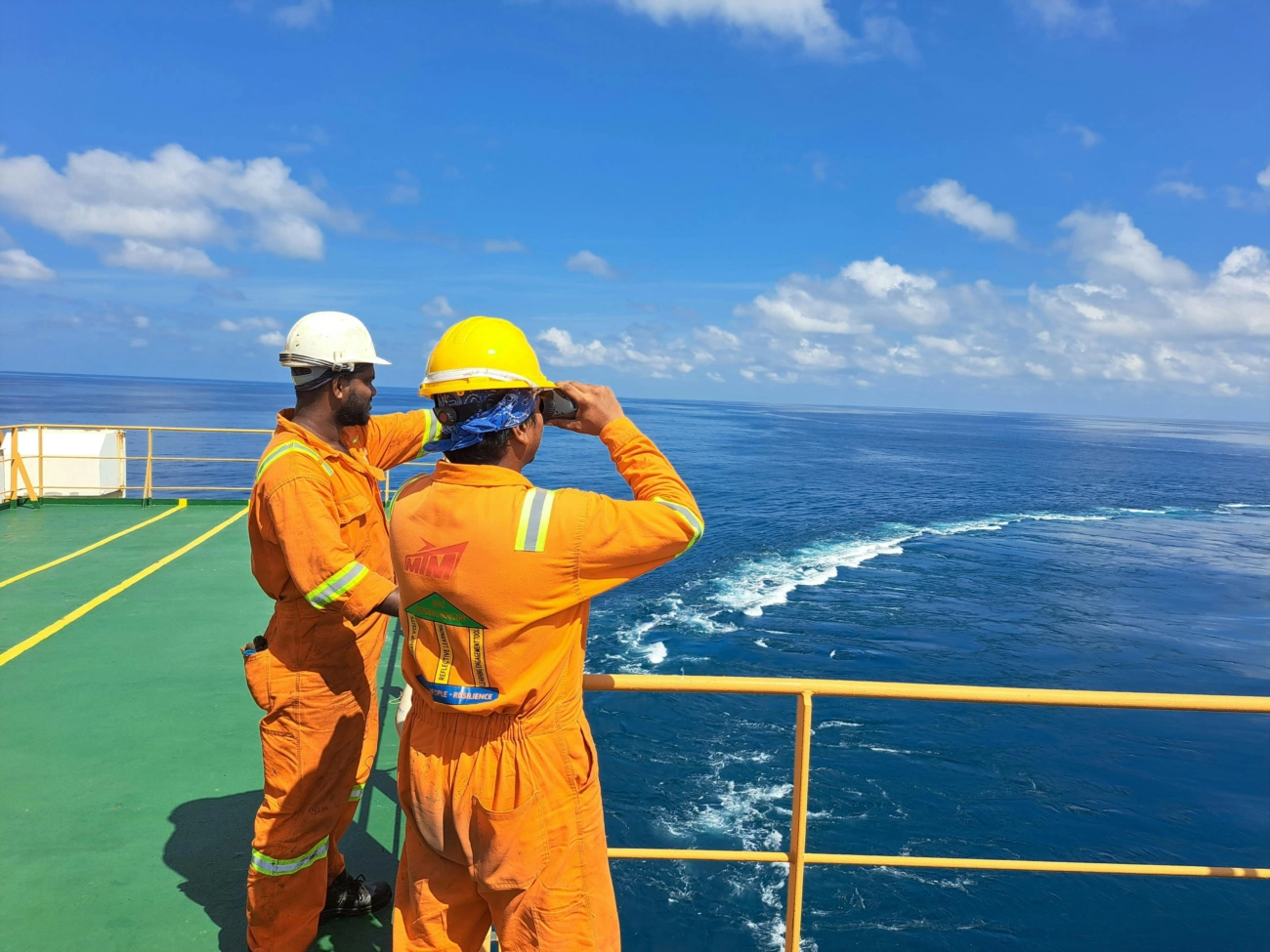
Hydrographic, Geophysical, and UXO Roles Explained
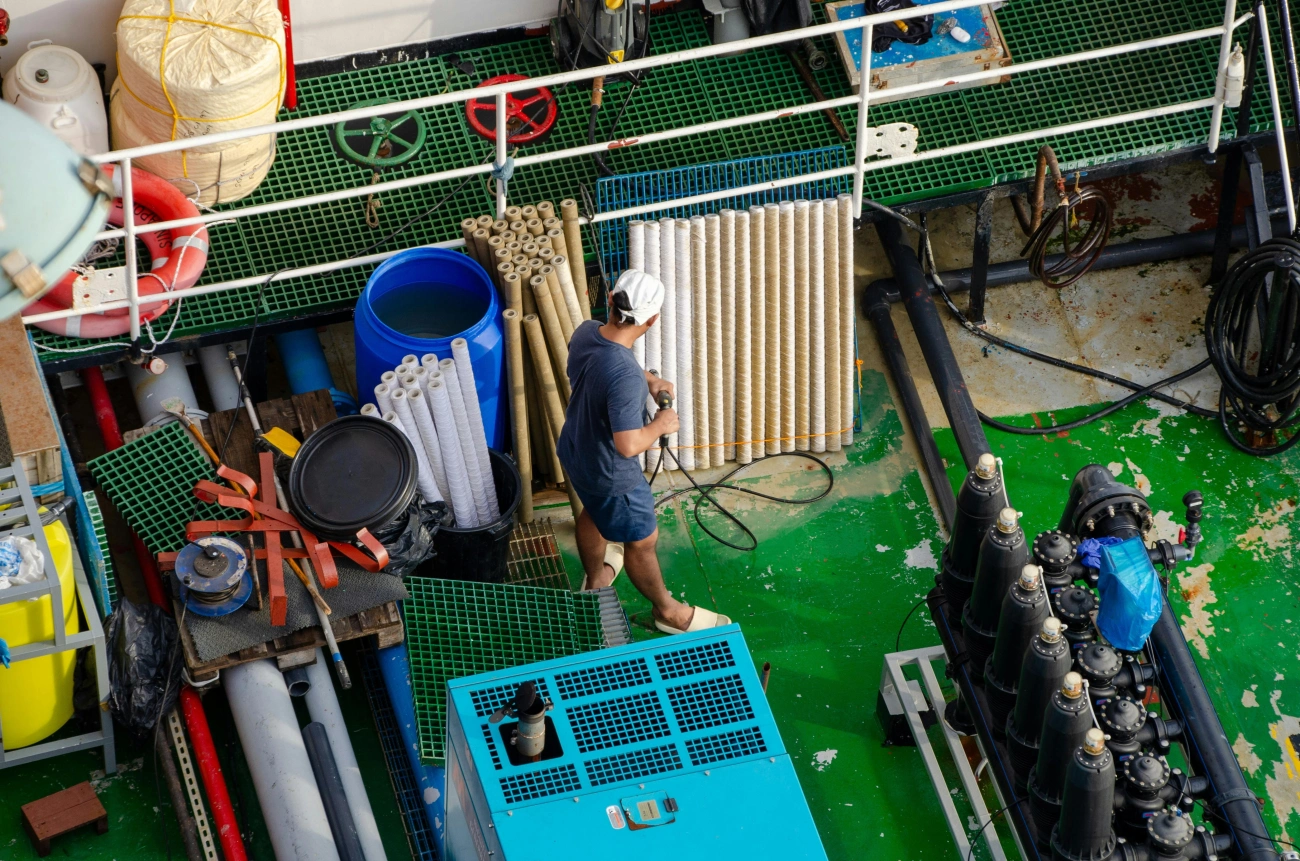
Subsea engineering focuses on the technology and processes for oil and gas production beneath the sea, including wellheads, pipelines, and control systems.

Create job alerts to be automatically informed by email of new vacancies that match your search criteria.
Copyright © 2026 CSS Ltd. All rights reserved | Privacy Policy
Site by iPOP